✆ +353 851 338 593 | ✉info@dampprotectionirelandanduk.com | Servicing clients in Ireland and the UK


Consequences Of Capillary Damp

Consequences Of Capillary Damp
What are the consequences of problems with capillary damp?
The consequences of capillary moisture can be delamination and destruction of materials on the building, unpleasant odors or, worst of all, a health risk for staying in the room, associated with inhaling mold spores
Capillary damp needs to be repaired as soon as possible. Because the longer capillary damp remains in your building, the consequences of its influence become greater and more dangerous.
You can recognise the appearance of capillary damp by peeling plaster, unpleasant odors and damp spots caused by water evaporation and salt action. The spots are usually darker in colour, and you will notice them at a height of up to 2 m.


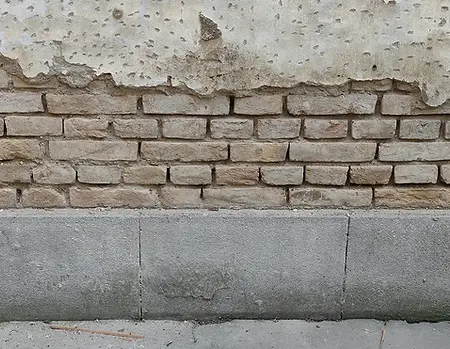
Material disintegration and destruction
Damp moves up through the walls, carrying with it dissolved salts and nitrates to the wall surface. When the damp evaporates and dries, the salts remain and crystallize. when salts crystalize they increase in volume causing plasters to swell and the binding of the structure to slowly loosen.
In winter moisture held within a wall can freeze and expand, delaminating plaster and cause cracking within the structure and slowly damaging the building fabric.
Unpleasant smell of dampness
The smell of damp is actually caused by the growth of mould and mildew, as these fungi grow they release volatile organic compounds (vocs) and spoures that create that characteristic smell.


Health risk
Spaces affected by capillary damp are usually unpleasant to stay in or stay for any length of time.
People with respiratory problems sometimes cannot stay in such conditions. Capillary damp creates a health risk, and people who stay in rooms with capillary damp first experience a decline in immunity and the development of allergic and immune reactions, the onset of asthma and other health problems.
